Material route
Review TDI or MDI against output, downtime and operating conditions.
 JUNSHIDA
For rotary die-cutting machines. Match material, hardness and locking geometry to your drum and existing cover.
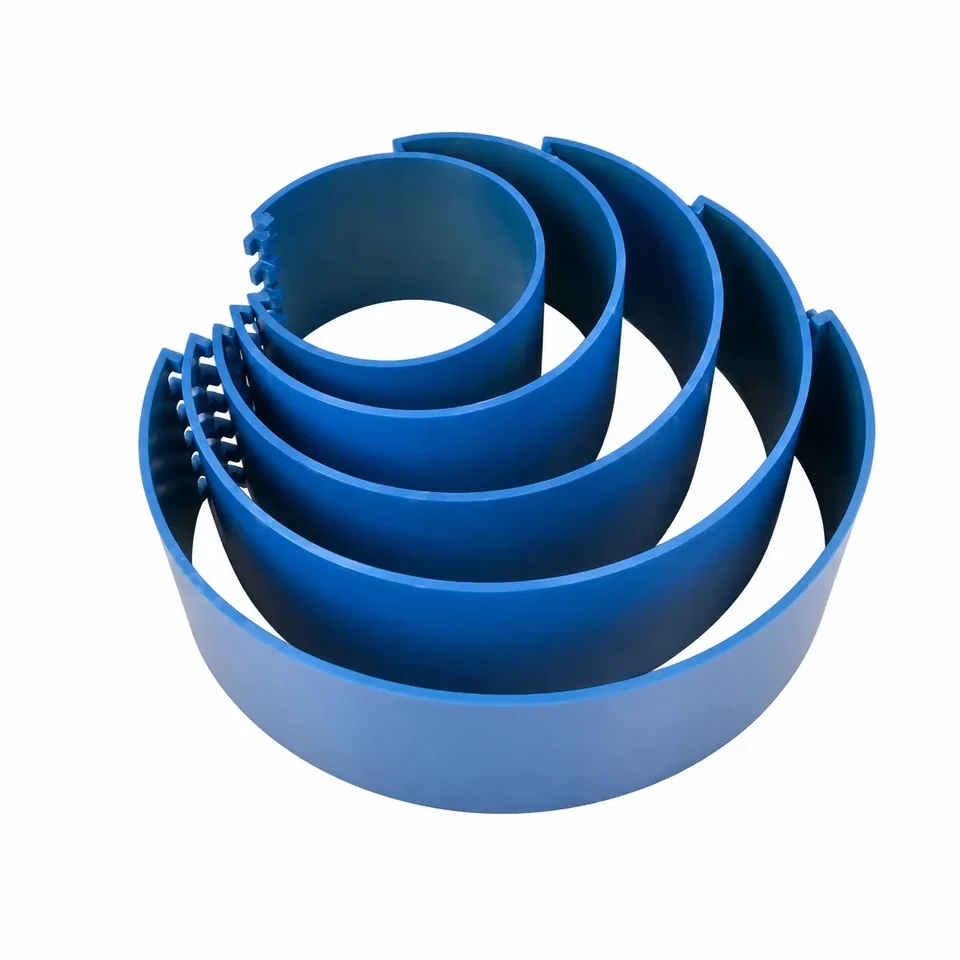
Anvil covers receive repeated die contact. Diameter, width, thickness, hardness and locking fit work together to determine installation and cutting consistency.
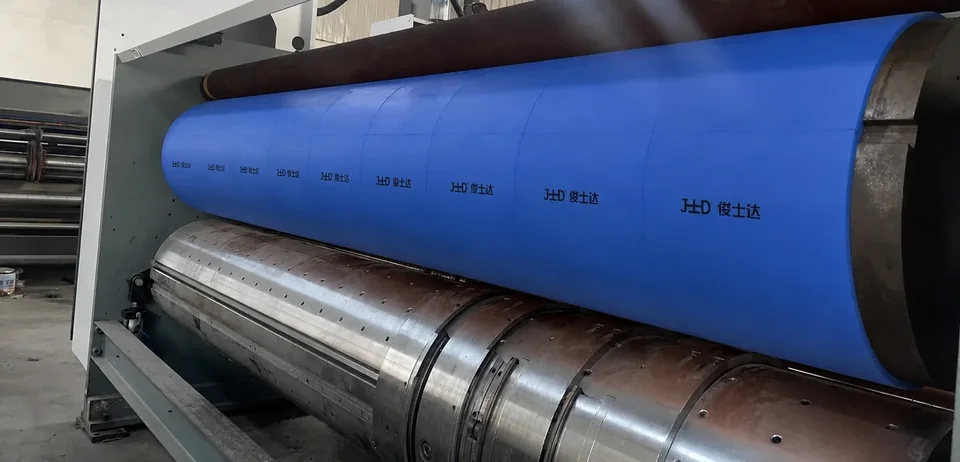
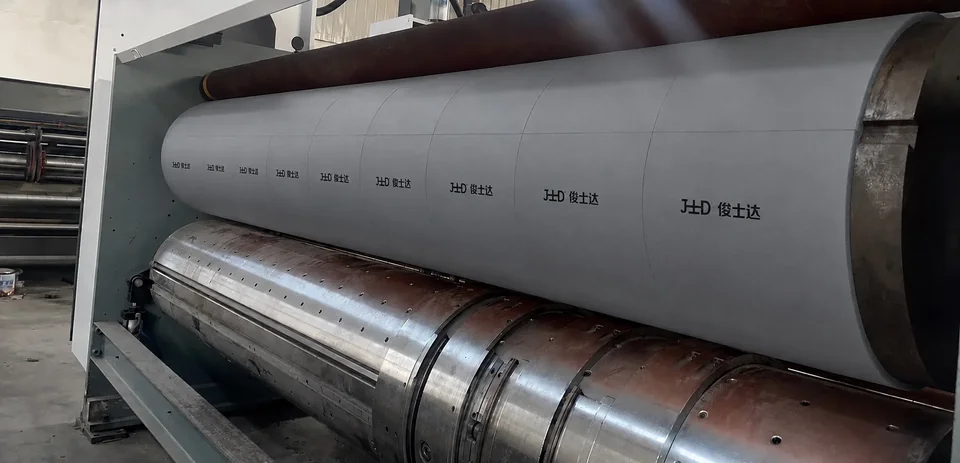
Review TDI or MDI against output, downtime and operating conditions.
Build around the cylinder groove, locking ends and current-cover design.
Confirm cylinder diameter, working width, thickness and section count.
| Dimensions | Cylinder diameter, section width, total width, thickness and hardness |
|---|---|
| Locking | Steel backing, hook, T-slot, finger lock or machine-specific profile |
| Review source | Machine model, dimension drawing, clear photographs or physical sample |
| Material | Blue TDI, gray MDI or a polyurethane route reviewed for the application |
| Inquiry data | Nameplate, current-cover photographs, both locking ends, quantity and workload |
Our published patent documents record the rotary die cutting anvil cover design: ZL 2017 3 0129516.0, authorized on 14 November 2017.
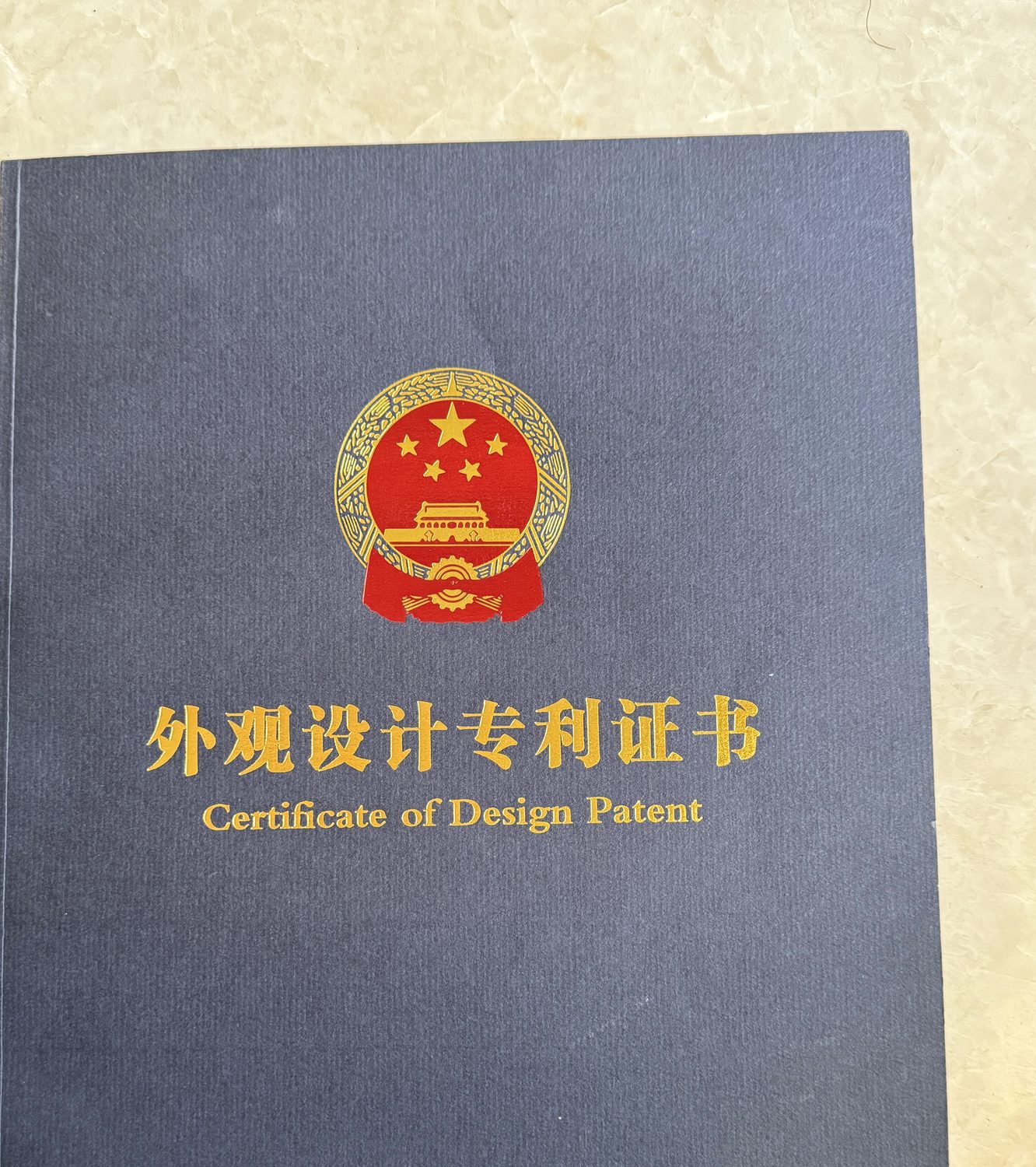
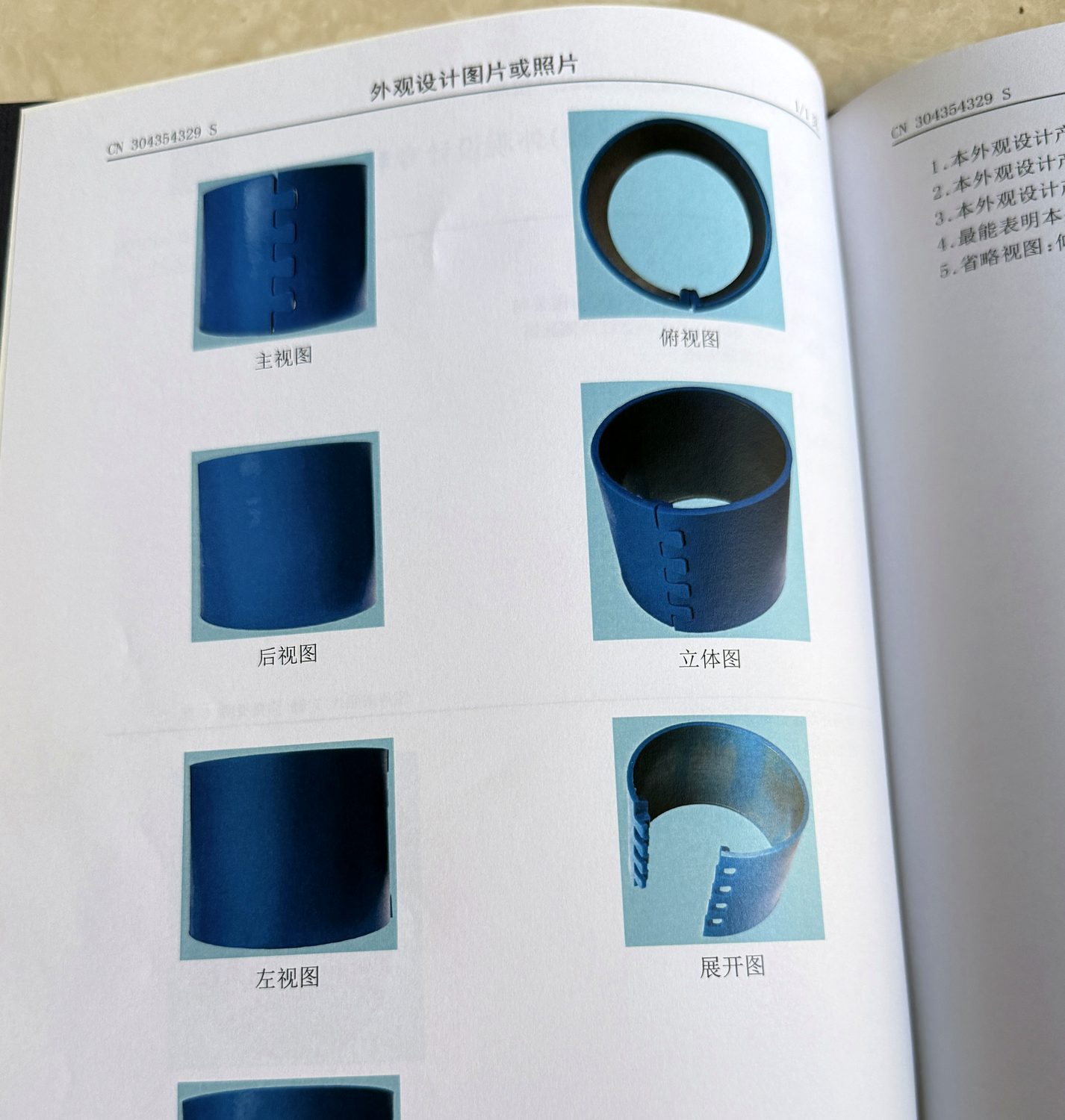
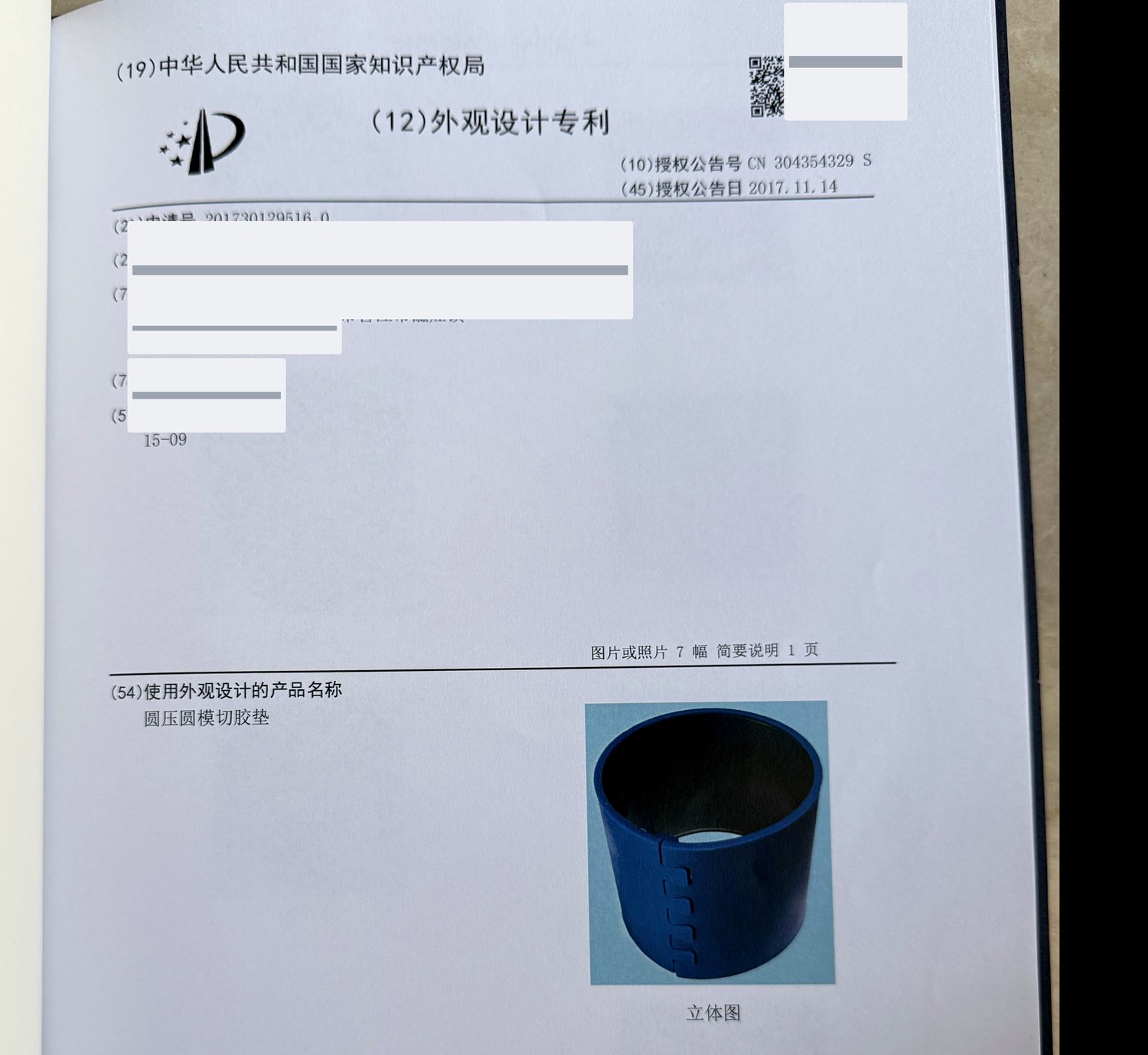
Public display images have personal information and detailed addresses redacted. Open an image to inspect the published document.
Internal test reference: approximately 3 million cutting cycles. A route for routine production and planned replacement.
Internal test reference: approximately 7 million cutting cycles. Review around cycle load and replacement downtime.
Both routes require confirmed dimensions, hardness and lock geometry. Die condition, pressure, board, rotation and maintenance affect actual life.
These are internal test references, not fixed service-life guarantees.
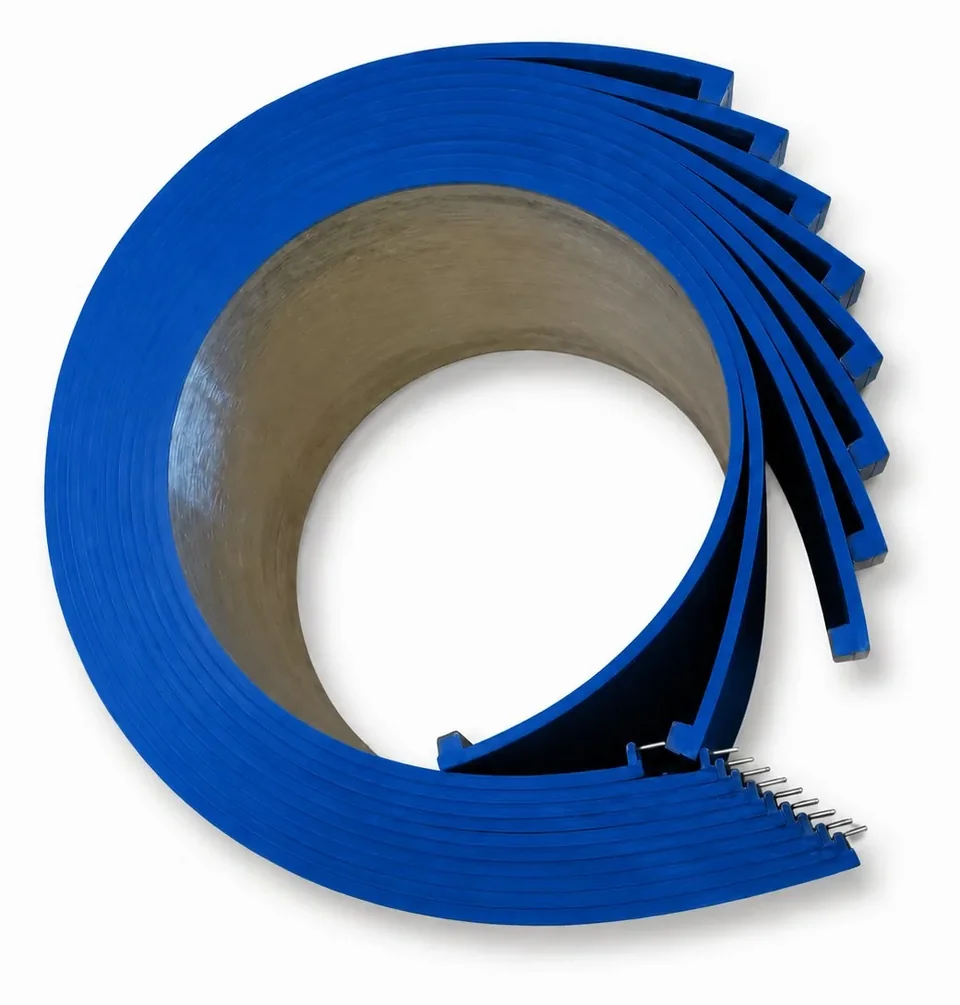
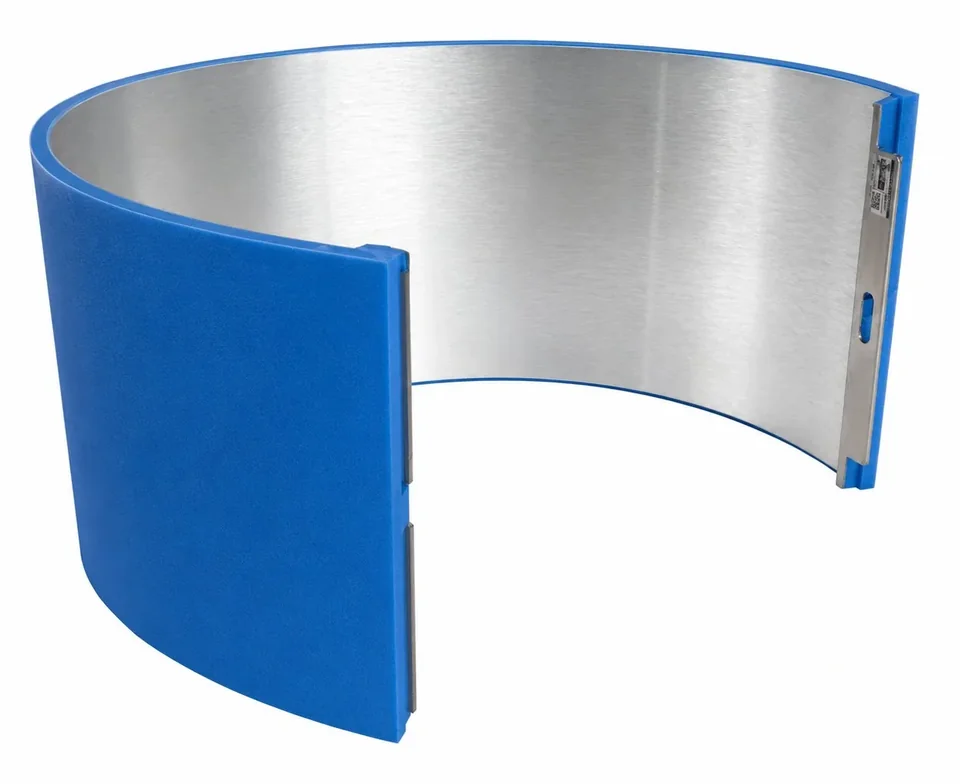
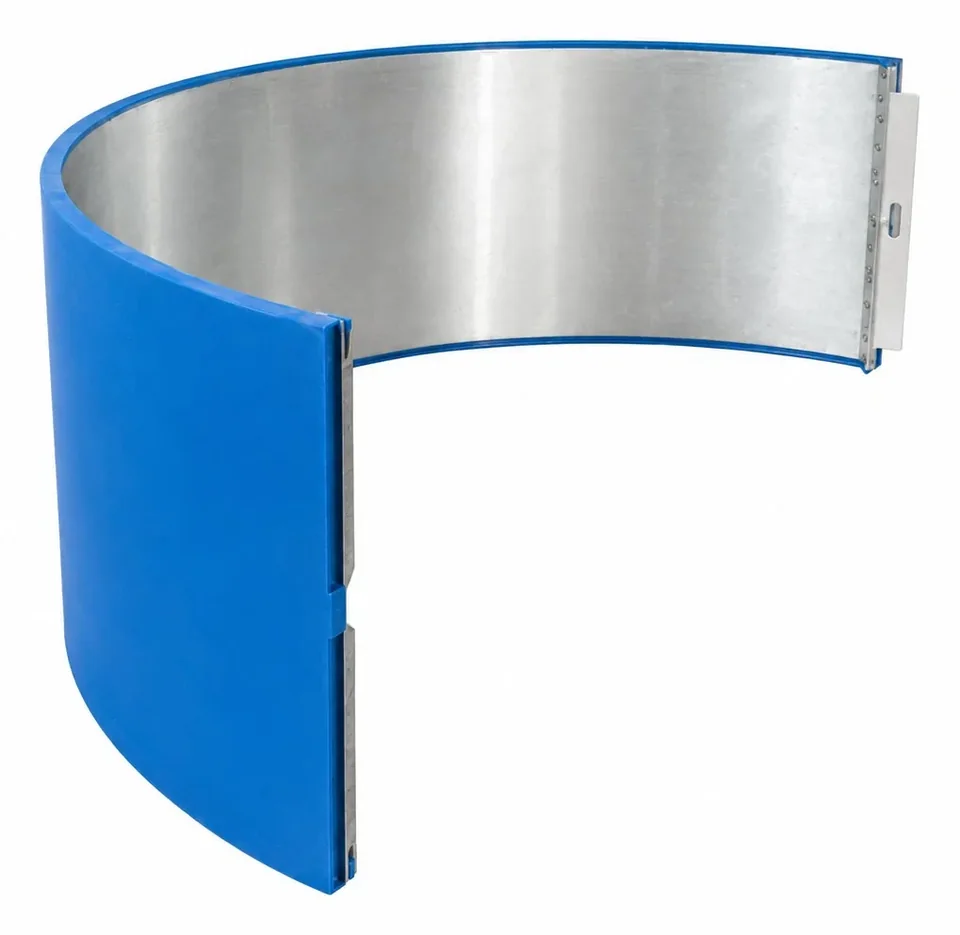
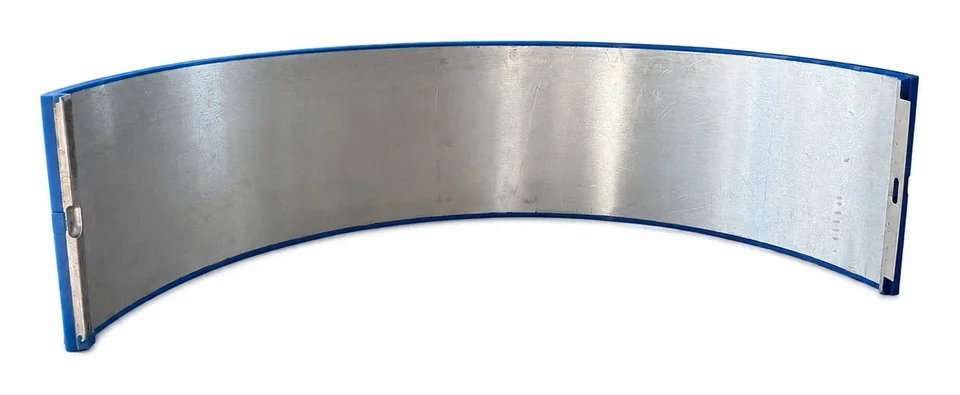
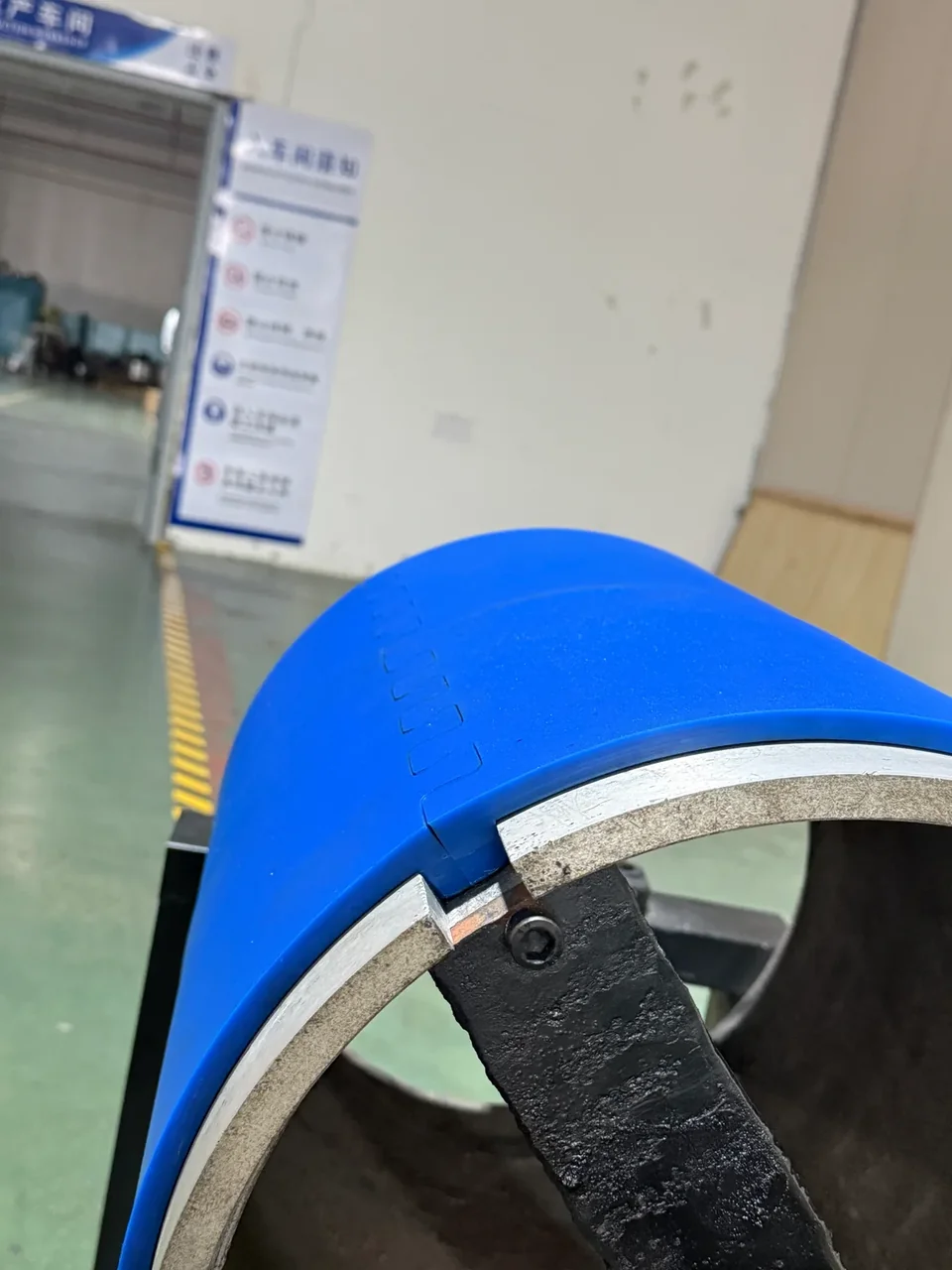
The blue cover is mounted on a demonstration drum made in our workshop to show the interlocking joint and fit. For a replacement, send joint photos together with drum and cover dimensions.
This is an in-house installation display, not a customer production installation or a life test.
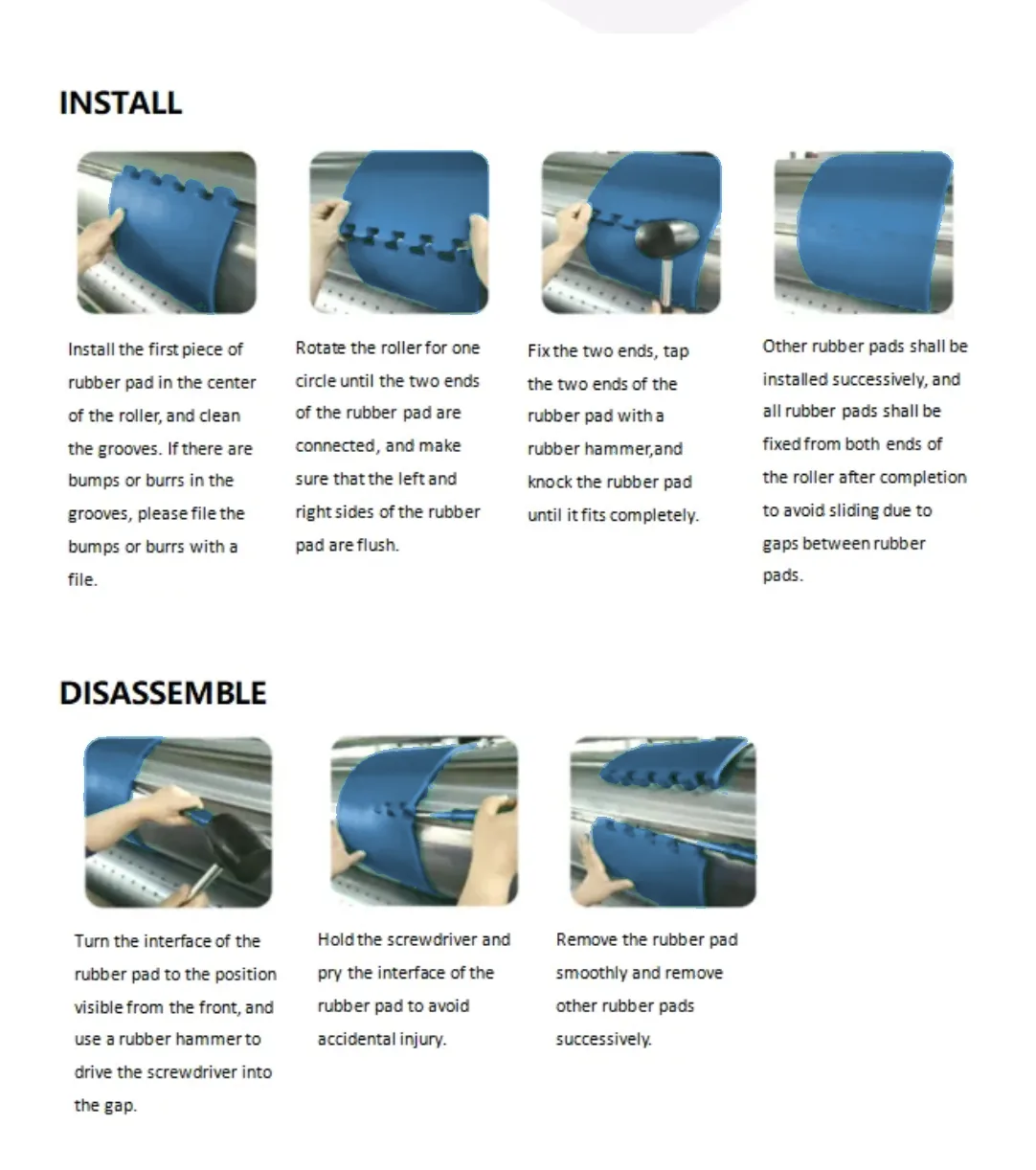
Follow the machine structure and site maintenance procedure for the final method.
Send overall, end and joint photographs with drum diameter, width and thickness. Complex structures may need a drawing or physical sample.
Match the existing groove, locking approach and replacement routine. Colour or machine brand alone does not establish interchangeability.
No. These are internal test references. Machine condition, die, pressure, board and maintenance affect actual results.
Share your machine, dimensions and operating conditions.
We’ll help you confirm the material and structure.